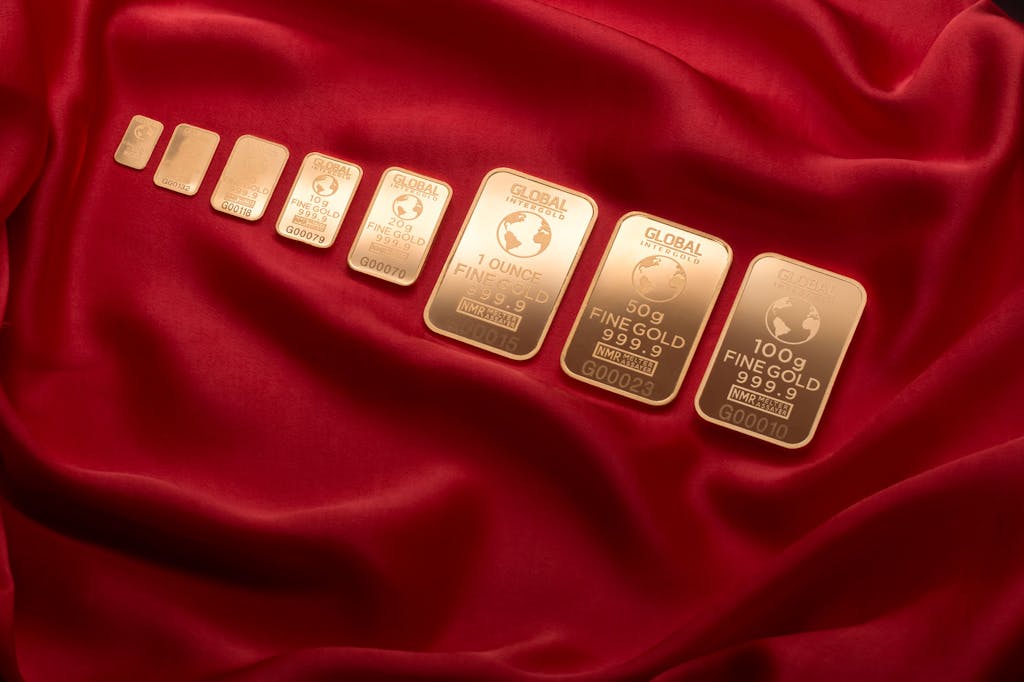


The 2026 Global Gold Bullion Outlook
The 2026 Global Gold Bullion Outlook
Gold has remained one of humanity’s most trusted stores of value for thousands of years. In 2026, amid economic uncertainty, inflation pressures, and geopolitical change, physical gold bullion continues to attract investors seeking stability, liquidity, and long-term wealth preservation.

Gold’s Role in the Modern Financial Landscape
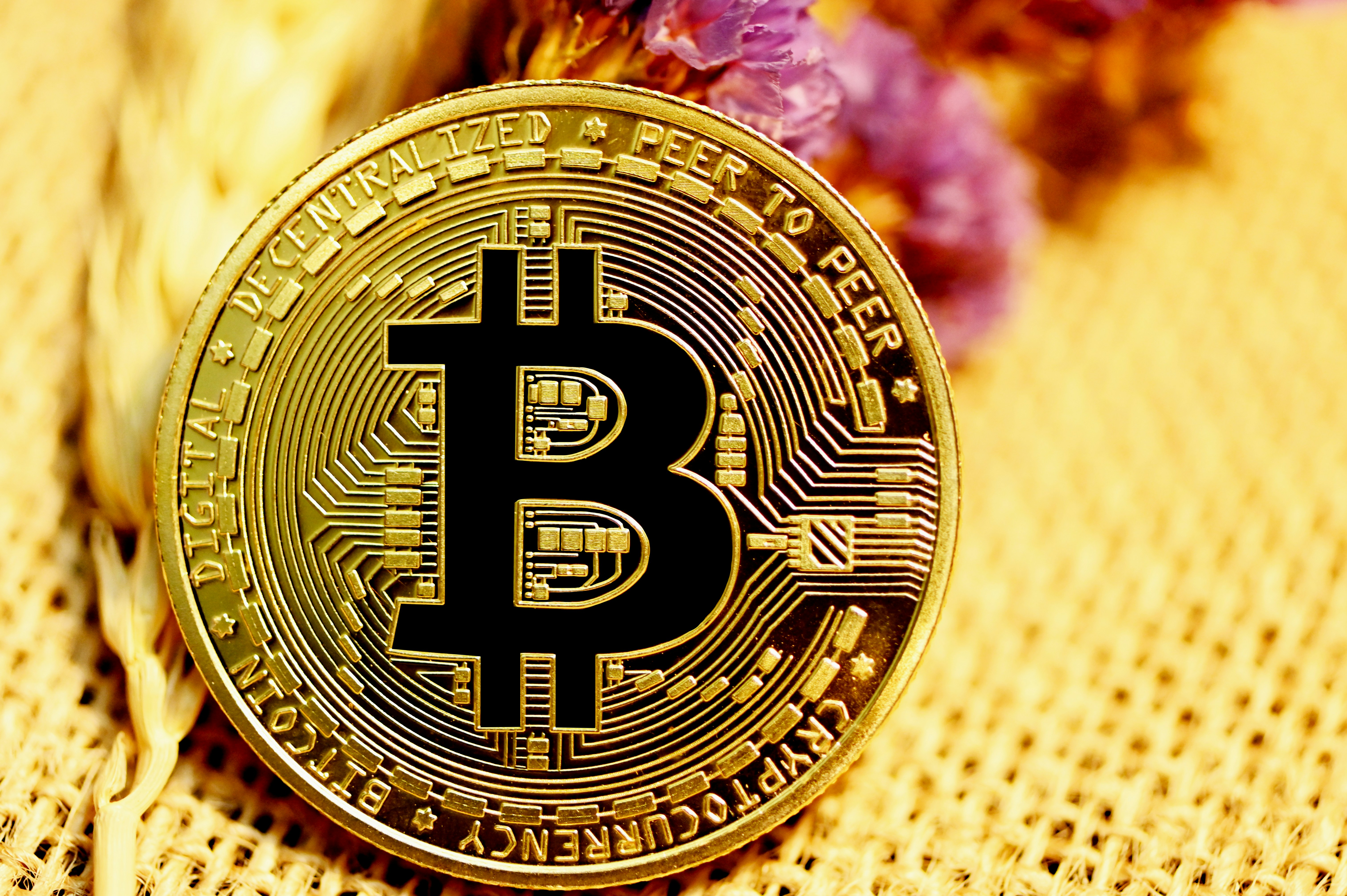
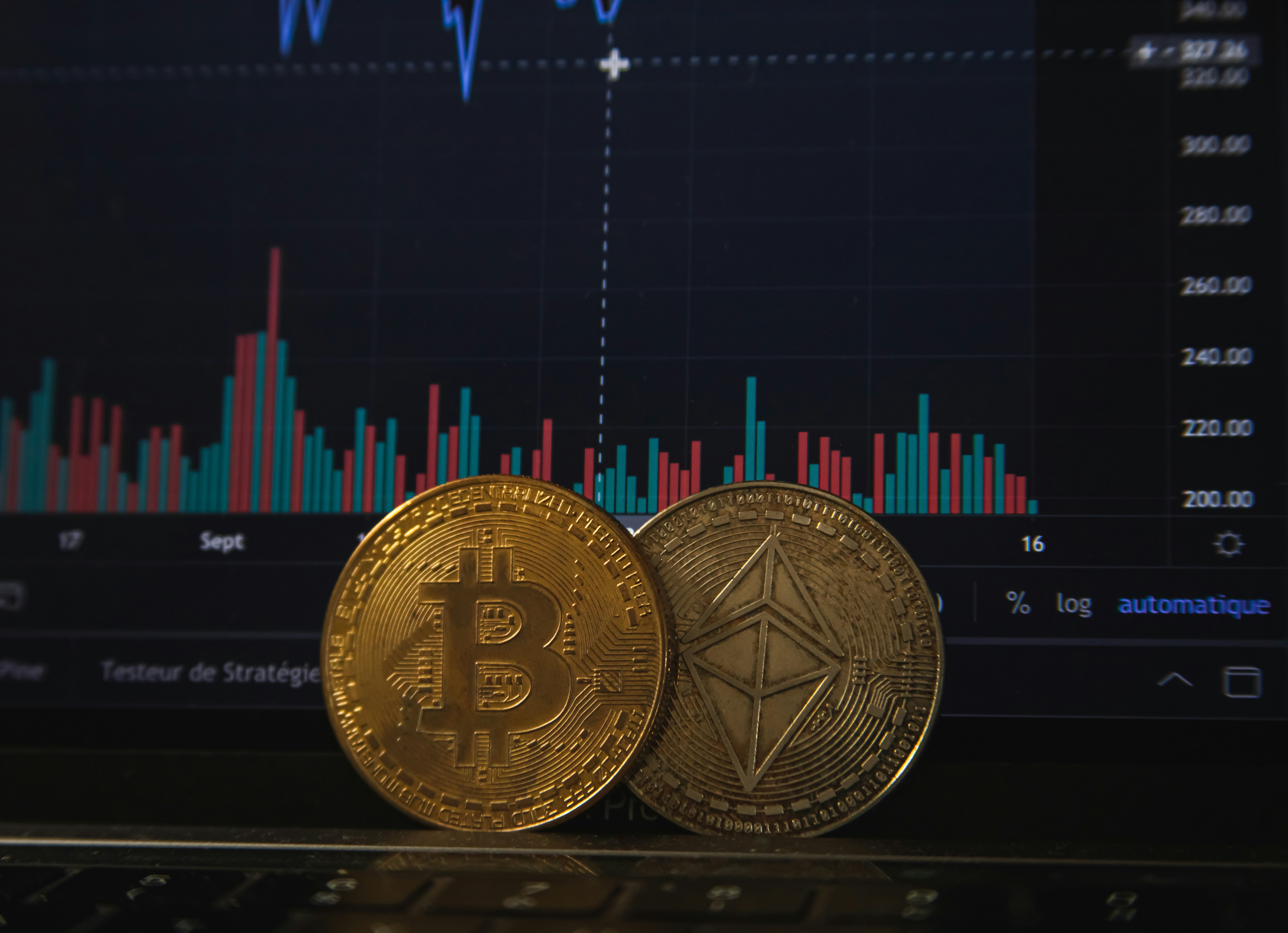
The global economy in 2026 is shaped by rapid technological transformation, currency volatility, and shifting monetary policies. While digital assets continue to evolve, investors increasingly recognize the enduring reliability of physical gold. Unlike electronic assets dependent on infrastructure, gold remains a tangible and universally accepted store of value.
Central banks across emerging and developed economies have continued expanding their gold reserves as part of diversification strategies. This institutional confidence strengthens gold’s position not only as a hedge against inflation but also as a stabilizing component within diversified portfolios.
Why Gold Coins Are Gaining Popularity
Gold bullion coins offer advantages that large bars cannot easily provide. Liquidity, divisibility, and recognizability make coins attractive for both new and experienced investors. Popular issues such as the Canadian Maple Leaf, American Eagle, and South African Krugerrand maintain strong global demand.
Because coins are traded in smaller denominations, investors can manage risk more effectively and access partial liquidity without selling entire holdings. This flexibility is especially valuable during volatile market cycles.
Market Drivers Influencing Gold Prices in 2026
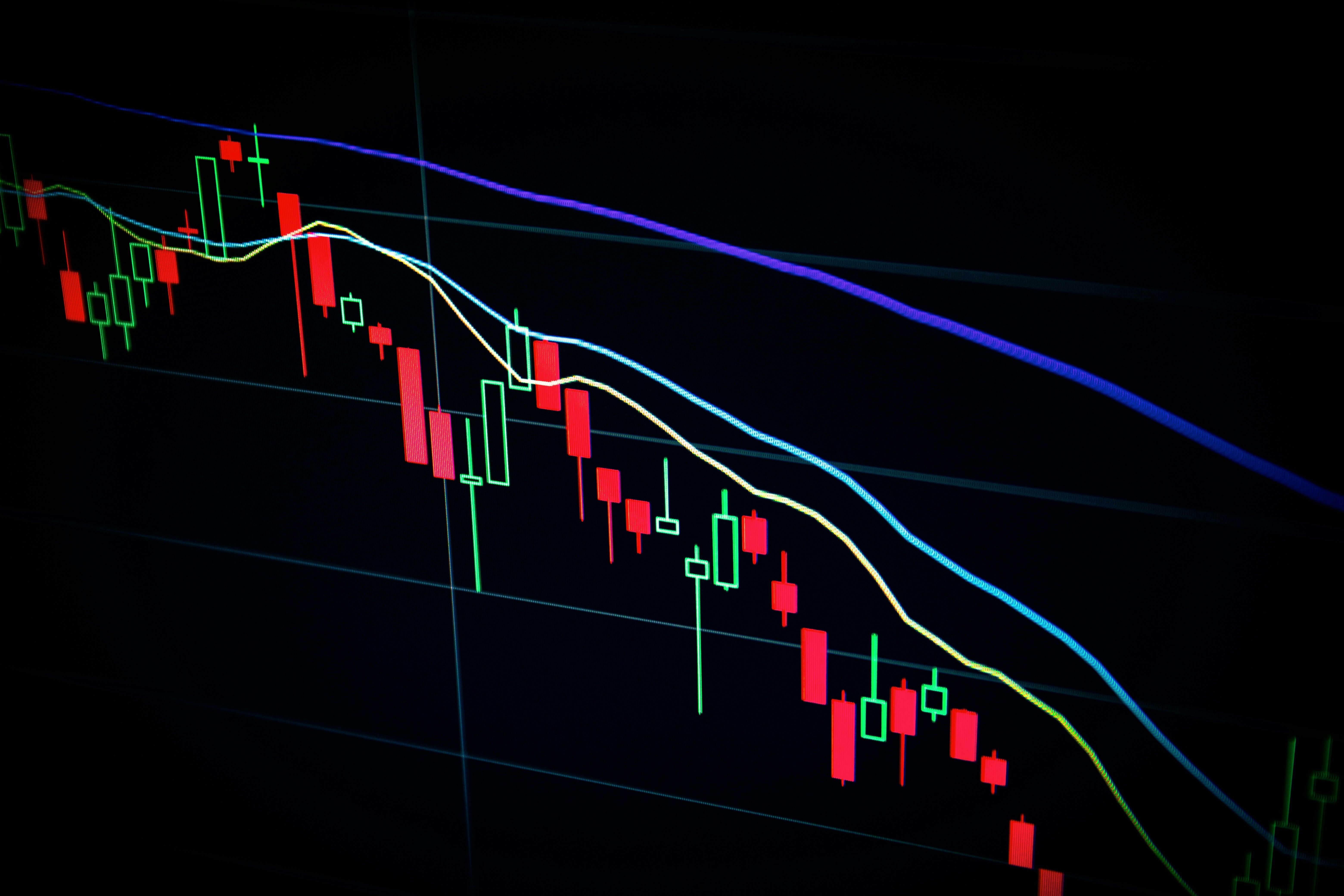
Several macroeconomic forces continue to influence bullion markets. Persistent inflation concerns, geopolitical uncertainty, and expectations surrounding interest rate policies have all contributed to renewed investor interest. Safe-haven demand tends to increase whenever financial markets experience heightened instability.
Additionally, technological innovation has improved authentication methods. Advanced scanning tools and blockchain-based provenance systems now help verify coin authenticity, increasing transparency and investor confidence.
Strategic Allocation for Long-Term Investors
Financial analysts commonly recommend allocating between 10% and 15% of a portfolio to precious metals. Gold serves as a counterbalance to equities and risk assets, reducing volatility during downturns.
Diversification within gold holdings is equally important. Combining bullion coins from different mints and varying weights can improve liquidity while maintaining exposure to the metal’s long-term appreciation potential.
The Technology–Gold Relationship
Contrary to predictions that digital finance would replace precious metals, technology has enhanced gold markets instead. Online verification systems, digital trading platforms, and global pricing transparency have made bullion ownership more accessible than ever before.
As financial systems evolve, gold’s independence from centralized control continues to strengthen its appeal among investors seeking resilience and financial autonomy.
Conclusion
The outlook for gold bullion in 2026 reflects a balance between tradition and innovation. While markets change rapidly, gold’s core value proposition remains unchanged: stability, trust, and universal recognition. Investors who approach bullion strategically — focusing on quality coins, diversification, and secure storage — position themselves for long-term financial resilience.
Frequently Asked Questions
Is gold still a good investment in 2026?
Yes. Many investors view gold as a hedge against inflation and economic uncertainty, making it a strategic long-term asset.
Why choose coins instead of gold bars?
Coins provide higher liquidity, easier resale, and flexible investment sizing compared to large bullion bars.
How much gold should a portfolio contain?
Experts commonly suggest allocating 10–15% of total investments to precious metals for diversification.
Does technology reduce gold’s importance?
No. Technology improves authentication and trading efficiency while reinforcing trust in physical assets.