

Gold Purity Verification Guide 2026
The Science of Gold Purity: A Technical Guide to Verifying Numismatic and Bullion Coin Integrity in the Modern Era
Verifying the purity and authenticity of gold coins is a critical step in bullion trading and numismatic investment. As counterfeit techniques become more advanced, investors and collectors increasingly rely on scientific tools and modern methods to ensure that their assets match their declarations of purity and value.





Understanding Gold Purity: Basics and Terminology
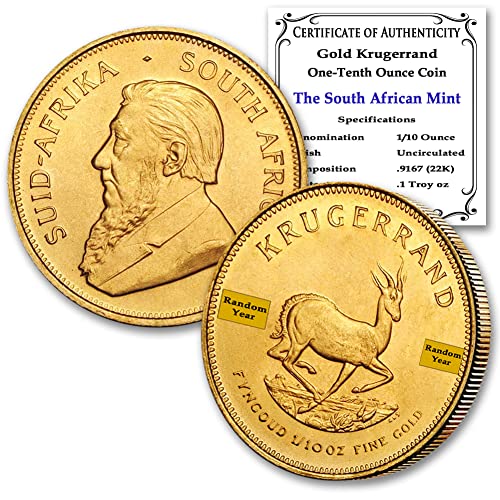
Gold purity is typically described in terms of *karats* or *percentages*. A coin labeled “24K” means it contains 99.9% gold, often marked as 999 in bullion terminology. Less pure coins, like 22K, have small amounts of other metals (often copper or silver) mixed into the gold to increase durability. :contentReference[oaicite:5]{index=5}
Traditional tests, such as acid reaction tests or density measurement, offer preliminary insight but lack precision. Modern methods provide far greater accuracy and non-destructive analysis, making them ideal for verified transactions and investment decisions. :contentReference[oaicite:6]{index=6}
Modern Scientific Methods for Testing Gold Purity
Today’s gold verification tools employ advanced physics and spectrometry to analyze elemental composition accurately without damaging the coin or bar. :contentReference[oaicite:7]{index=7}
X-Ray Fluorescence (XRF) Spectrometry
XRF remains the gold standard among professional analyzers. This method uses X-rays to excite atoms within the sample and measure the fluorescent energy emitted, revealing the precise elemental makeup — including gold content — in seconds. :contentReference[oaicite:8]{index=8}
Laser Induced Breakdown Spectroscopy (LIBS)
Another emerging analytical technique, LIBS employs a focused laser pulse to vaporize a microscopic surface portion. The resulting plasma emits light unique to each element. Analysing these light spectra enables detailed identification of all metals present, including impurities, without causing damage to the entire item. :contentReference[oaicite:9]{index=9}
Traditional and Complementary Verification Techniques
Although scientific equipment offers high precision, many collectors still use traditional tests as quick first checks before undertaking deeper analysis. Common approaches include density tests, magnet tests, and visual inspection of hallmarks. :contentReference[oaicite:10]{index=10}
Why Professional Analysis Matters
Home methods and simple testing techniques can indicate potential irregularities, but they cannot replace expert analysis. Professional graders and certifying laboratories use calibrated spectrometry and rigorous standards to determine purity and authenticity, especially for high-value or rare bullion coins. :contentReference[oaicite:11]{index=11}
Conclusion
Gold remains one of the most enduring investment assets precisely because of its intrinsic and measurable properties. Today’s scientific testing methods, such as XRF and LIBS, allow investors and collectors to verify purity with remarkable precision without damaging their coins or bars. Combining modern instruments with traditional techniques and professional certification provides the most comprehensive assurance of authenticity and long-term value in bullion markets. :contentReference[oaicite:12]{index=12}
Frequently Asked Questions
What is the most accurate method to test gold purity?
Equipment like X-ray fluorescence spectrometers provide the most precise non-destructive testing available today. :contentReference[oaicite:13]{index=13}
Can I test gold purity at home?
Basic tests like density or magnetism can offer initial clues, but they cannot replace certified lab analysis. :contentReference[oaicite:14]{index=14}
Is acid testing reliable?
Acid tests can offer preliminary insight, but they are less precise and may risk damaging items. :contentReference[oaicite:15]{index=15}
Do modern tools damage coins?
No — technologies like XRF and LIBS are non-destructive and analyze only surface interactions without harming the piece. :contentReference[oaicite:16]{index=16}